How to choose the best fire extinguisher for your kitchen?
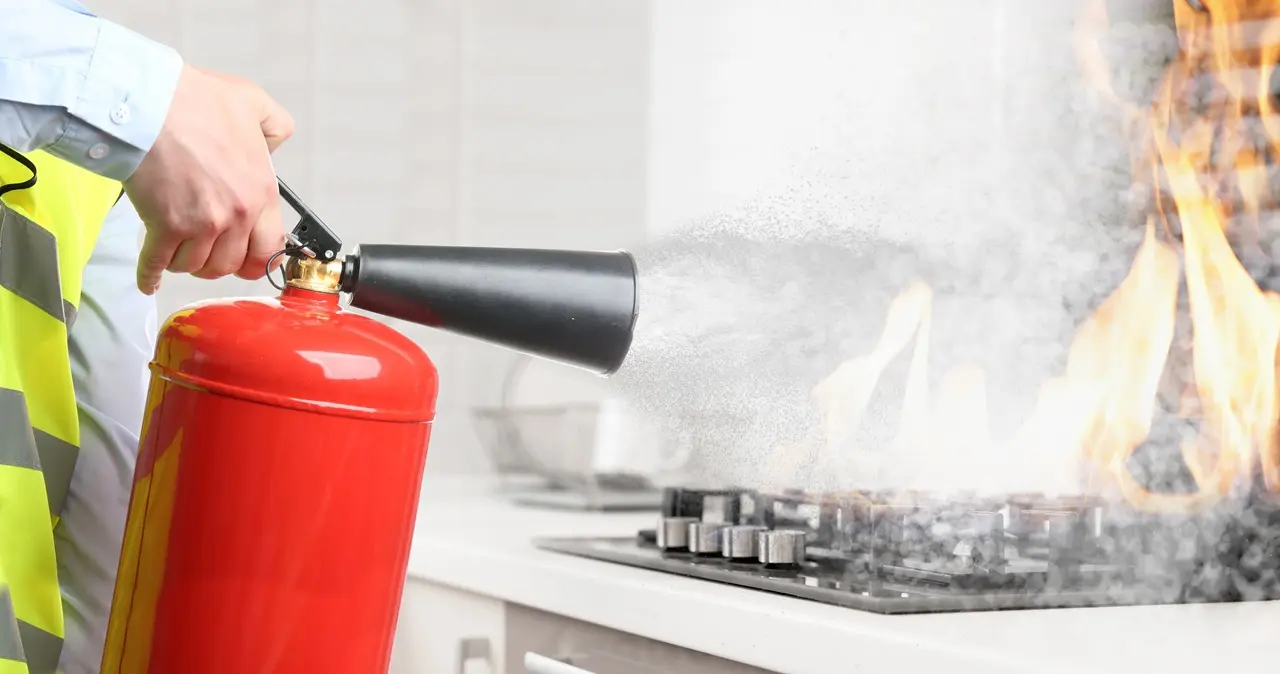
A kitchen fire can escalate in seconds, so choosing the right kitchen fire extinguisher means selecting one that matches real cooking risks, is simple to identify, and is safe to use around oils, appliances, and enclosed spaces.
From the article, you will learn:
- What type of extinguisher is usually safest for kitchen use
- Which kitchen fire risks need the most attention
- Why extinguisher class matters before buying
- How to compare extinguishing agents clearly
- Where to place an extinguisher in a kitchen
- What size and format suit different properties
- Which checks matter before making a final choice
Start with the fire risks found in kitchens
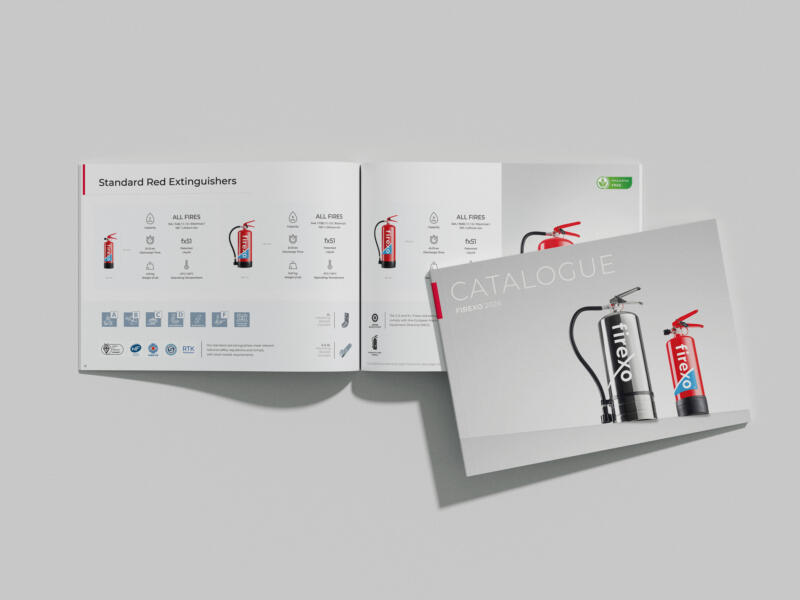
The best starting point is the type of fire most likely to happen in a kitchen. Cooking oils, overheated pans, fat deposits, electrical appliances, and packaging materials do not behave in the same way when they ignite. A fire extinguisher for kitchen use should therefore be chosen with the real source of risk in mind, not only with price, size, or appearance. At the same time, modern solutions, such as Firexo all-in-one fire extinguishers, have been developed to handle these varied risks without requiring separate units for each fire type. In domestic kitchens, the main concern is often cooking oil or fat fires, followed by electrical incidents involving kettles, microwaves, toasters, or built-in appliances.
A suitable unit should be easy to access, clearly labelled, and usable by a non-specialist under pressure. It should also reduce the chance of making the situation worse. Water can spread burning oil, and some traditional agents work for one class of fire but not another. This is where an all-in-one fire extinguisher changes the decision-making process, as a single, well-selected unit can cover multiple fire scenarios without switching between extinguisher types.
Key kitchen risk points include:
- Hob and oven areas
- Deep fat cooking or hot oil use
- Electrical appliances near heat
- Combustible packaging and towels
Understand extinguisher classes before comparing products
Fire classes explain what kind of fuel is burning. In kitchens, Class F is especially important because it covers cooking oil and grease fires. Electrical risk also matters, especially where multiple appliances are used close together. A fire extinguisher for kitchen fires should therefore be selected only after checking which classes it is tested and approved for. This is not a minor technical detail; it is the basis of choosing the right fire extinguisher for kitchen fires.
For commercial premises, the legal and compliance position may differ by market, building type, and local fire safety rules. For household buyers, the same principle still applies: the extinguisher must be appropriate for likely risks and must not introduce extra danger during use.
When choosing the best fire extinguisher for kitchen use, a simple comparison can help:
| Fire risk in a kitchen | Why it matters | What to check on the extinguisher | Does Firexo cover that? |
| Cooking oil and fat | Can flare violently | Class F suitability | Yes |
| Electrical appliance fire | Live equipment may be involved | Electrical fire suitability | Yes |
| Paper, cloth, packaging | Common secondary fuels | Class A suitability | Yes |
| Mixed kitchen hazards | More than one source may be present | Broad class coverage | Yes |
Why Class F matters most near cooking areas
Class F fires involve hot cooking oils and fats. These fires can spread fast, reignite, and cause serious burns if treated with the wrong agent. A kitchen fire extinguisher should therefore be assessed first for its ability to handle this category, where cooking takes place regularly.
In practical terms, the closer the extinguisher is to hobs, fryers, or pans with oil, the more important Class F suitability becomes. This applies to domestic kitchens and even more so to professional food-preparation settings. If a product does not clearly state its fire classes, the buyer lacks sufficient information to make a sound choice.
Why broad coverage can reduce hesitation in an emergency
In an emergency, people often do not diagnose the fire perfectly. Flames may begin in cooking oil, spread to nearby packaging, or involve an electrical appliance simultaneously. A product with broad, tested coverage can reduce confusion at the point of use. Firexo offers an all-in-one fire extinguisher that eliminates the need to choose among powder, water, foam, or other traditional types, offering a single solution for all fire classes.
Instead of choosing among different extinguisher categories, a single correctly sized Firexo unit can be used in multiple scenarios, simplifying decision-making during an emergency. Choose the right format, size, and placement.
The best extinguisher is one that a person can reach quickly and use correctly. Size matters because a unit that is too heavy may be difficult to handle, while one that is too small may not match the level of risk. For many properties, the best fire extinguisher for kitchen use is not simply the largest option. It is the option that combines appropriate size with broad, multi-class or all-in-one coverage suited to the specific kitchen fire risks present.
Placement matters just as much. The extinguisher should be near the kitchen exit route, not directly next to the hob where flames may block access. It should be visible, mounted securely where required, and kept away from grease buildup or obstructions.
Placement rules worth following:
- Keep it on the escape side of the room
- Do not place it behind the cooker
- Make sure adults can reach it quickly
- Keep instructions visible at a glance
Check certification, labelling, and maintenance before purchase
Before buying a kitchen fire extinguisher, review the product label, stated fire classes, intended market, and approval status for that product type. In some countries, products sold as commercial extinguishers must meet specific certification and colour requirements. Those requirements can differ by jurisdiction, so the buyer should confirm what is required for a business property, warehouse, or other regulated premises.
Maintenance also matters. An extinguisher is safety equipment, not décor. The buyer should check service intervals, shelf life, inspection guidance, and replacement policy. A good buying decision considers the full lifecycle of the product, not just the initial purchase.
FAQ
Which type of extinguisher is most important for kitchen oil fires?
For cooking oils and fats, Class F suitability is the key point. A universal Firexo fire extinguisher that includes Class F coverage can address this risk alongside other common kitchen fire types.
Can one extinguisher cover multiple kitchen fire risks?
Yes, Firexo products are tested for multiple fire classes. All-in-one fire extinguishers are designed to eliminate the need to choose among separate types, provided their certification confirms full coverage.
Should a kitchen extinguisher be kept next to the cooker?
No. It should be close enough to reach quickly but placed near the exit side of the kitchen, so a person can access it without moving toward the centre of the fire.
Is a larger extinguisher always a better choice for a kitchen?
Not always. A larger unit may hold more agents, but it can also be harder to lift and use. The right choice depends on risk level, user handling, and available installation space.
Do domestic and commercial kitchens need the same extinguisher setup?
Domestic buyers should still choose by fire class, placement, and clear operating instructions.
What should be checked before buying any extinguisher online?
Check the fire classes, certification, operating method, service guidance, intended market, and suitability for the specific risks present in the kitchen.